Lieutenant General Nauman Zakaria, commander of Pakistan’s newly established Army Rocket Force, has highlighted the increasingly compressed timelines of modern warfare, particularly among nuclear-armed states.
Speaking at the Shangri-La Dialogue, Lt. Gen. Zakaria stated that in a future conflict, military responses would be measured in “seconds, not minutes,” reflecting the rapid pace enabled by advanced missile technologies, precision-strike capabilities, and real-time battlefield networks.
He emphasized that such an environment demands exceptional operational readiness, swift command-and-control processes, and the ability to make critical decisions under extreme time pressure. According to the general, the shrinking decision window is reshaping military planning and strategic deterrence in regions where nuclear-armed rivals operate in close proximity.
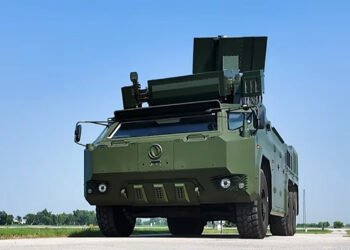
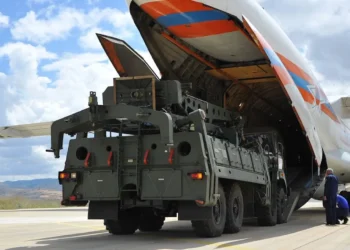
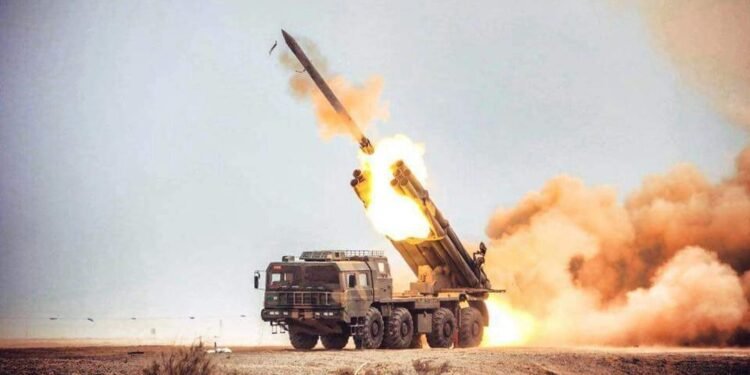
Lt. Gen. Zakaria noted that Pakistan’s ongoing investments in missile forces and precision-strike systems are aimed at strengthening deterrence and maintaining strategic stability. He stressed that these capabilities are intended to prevent conflict by ensuring a credible response capability rather than supporting aggressive military action.
His remarks underscore a broader trend in modern warfare, where hypersonic weapons, long-range precision missiles, integrated sensor networks, and advanced command systems are significantly reducing reaction times and increasing the importance of readiness, coordination, and deterrence.