Somalia is moving forward with plans to acquire up to 24 JF-17 Thunder Block III fighter jets from Pakistan, in what could become one of the country’s most significant defence modernization programs in decades.
The proposed acquisition is part of Mogadishu’s broader effort to rebuild the Somali Air Force and develop an independent air-combat capability after more than three decades without a significant modern fighter fleet. Reports have placed the potential package at around $900 million, although the final value, financing arrangements and delivery schedule have not been officially disclosed.
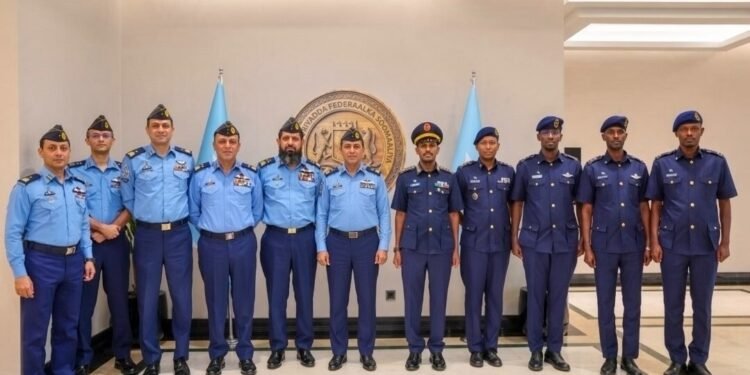
The reported negotiations gained momentum during 2026 following meetings between Somali and Pakistani defence officials. In September, a senior Pakistan Air Force delegation visited Somalia for discussions focused on developing the Somali Air Force, including training, institutional development and long-term defence cooperation.
A Major Step for Somalia’s Air Force
Somalia’s pursuit of the JF-17 comes against the backdrop of a long-standing gap in its fixed-wing combat capability.
The country’s former air force operated Soviet-era aircraft during the Cold War, including MiG-series fighters and bombers. However, the collapse of Somalia’s central government in 1991 severely disrupted the country’s military institutions and effectively ended its ability to maintain a modern combat-aircraft fleet.
The proposed JF-17 acquisition would therefore represent more than simply a fighter purchase. It would require Somalia to establish the supporting infrastructure needed to operate a modern air force, including pilot training, maintenance facilities, weapons support, technical personnel and logistics networks.
Reports indicate that these elements are being considered alongside the aircraft themselves.
Why the JF-17 Block III?
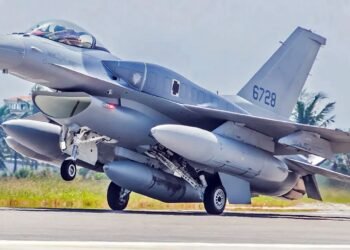
The reported negotiations center on the JF-17 Thunder Block III, the latest major version of the Pakistan-China jointly developed multirole fighter.
The Block III introduces a modernized avionics architecture, an active electronically scanned array (AESA) radar, upgraded electronic warfare capabilities and improved cockpit systems. The aircraft is designed for both air-to-air and air-to-ground missions and can employ beyond-visual-range weapons.
For Somalia, the attraction is likely to extend beyond the aircraft’s specifications. The JF-17 has been marketed as a relatively affordable multirole fighter, while Pakistan can potentially provide training, maintenance support and other elements of an integrated package.
#JF17 Model for Somalian Air Forcehttps://t.co/Cc5Rpb9u7z pic.twitter.com/JGz6t3bRR0
— PAF Falcons (@PAFFalconsPK) September 30, 2026
Pakistan’s Defence Production Minister Raza Hayat Harraj has previously highlighted the aircraft’s lower cost compared with some Western alternatives, putting the approximate price of a JF-17 at $30 million to $40 million, depending on configuration and package.
A Reported $900 Million Package
Several reports have associated the proposed Somali acquisition with a package worth approximately $900 million.
The figure reportedly covers considerably more than the aircraft themselves. Potential elements include pilot and ground-crew training, weapons integration, maintenance and long-term logistical support.
However, the financial structure remains unclear. Earlier reports suggested that Saudi Arabia and Turkey could potentially play a role in supporting Somalia’s broader defence modernization, but these claims have not been confirmed as the financing mechanism for a JF-17 contract.
That distinction is important because Somalia would need sustained funding not only to purchase the fighters but also to operate them over their service lives.
Pakistan Expands JF-17 Export Push
The reported Somali interest comes as Pakistan seeks to expand international sales of the JF-17.
Reuters reported in January that Pakistan had been holding defence-sales discussions with multiple countries, with several negotiations described by Pakistani sources as being at an advanced stage. The discussions involved JF-17 fighters as well as trainers, drones, air-defence equipment and other systems.
The JF-17 has already been exported to countries including Myanmar, Nigeria and Azerbaijan, giving Pakistan experience in establishing international support arrangements for the aircraft.
Somalia would represent a substantially different challenge, however, because it is attempting to rebuild much of its air-force infrastructure at the same time as acquiring the fighters.
Building an Operational Fighter Force
If Somalia ultimately purchases 24 JF-17s, establishing the fleet would be only the first stage.
A modern fighter squadron requires trained pilots, weapons specialists, engineers, ground crews, spare parts, secure communications, airbases and an extensive maintenance system. Somalia would also need to develop an effective command-and-control structure capable of integrating fighter aircraft with surveillance and air-defence assets.
Recent Pakistani engagement with Somalia suggests that both sides are looking beyond an aircraft sale and toward broader cooperation in developing the Somali Air Force. During the September visit, discussions included organizational development, leadership, professional training and the exchange of expertise.
What Comes Next?
The reported 24-aircraft proposal remains subject to confirmation. In April, some reports claimed that Somalia had signed an agreement for 24 JF-17 Block III fighters, but subsequent reporting noted that neither government had publicly released a contract confirming the aircraft number, price, financing arrangements or delivery timetable.
That means the project should currently be viewed as a reported and developing procurement effort rather than a fully confirmed operational order.
Nevertheless, the continuing defence engagement between Mogadishu and Islamabad indicates that cooperation on rebuilding Somalia’s air capabilities is receiving serious attention.
If the 24-aircraft plan eventually becomes a finalized contract, it would mark a major turning point for the Somali Air Force. The JF-17 fleet would give Somalia a modern multirole fighter capability while simultaneously creating the foundation for a broader national air-power structure.
For Pakistan, meanwhile, a Somali order would add another potential customer to the JF-17’s growing international market and further expand the aircraft’s presence across Africa and beyond.